Textile desizing enzyme supplier for fabric mills
SelvageBridge helps cotton textile mills remove starch size with tighter process control before scouring, bleaching, and dyeing. We supply textile desizing enzyme options for mills that need dependable wet-out, fewer rewash decisions, and fabric that enters downstream dyeing with less shade risk.
If your team is managing variable greige lots, short dwell windows, compact liquor ratios, or audit pressure around pretreatment records, we work with you like a technical supply partner, not a catalog vendor.
Built for cotton pretreatment reliability
Desizing is a small step that can create large downstream cost when it drifts. Incomplete starch removal can show up as uneven wet-out, harsh handle, patchy dye uptake, extra washing, delayed shade approval, or reprocessing that ties up range capacity.
SelvageBridge focuses on practical mill outcomes:
- More consistent starch-size breakdown across greige lot variation
- Better wet-out before scouring, bleaching, mercerizing, or dyeing
- Reduced reprocessing caused by residual size or uneven absorbency
- Controlled operation across realistic pH and temperature windows
- Cleaner fabric handle and improved downstream readiness
- Repeatable documentation for shift teams, quality teams, and audits
Motion overview: desizing control before dyeing
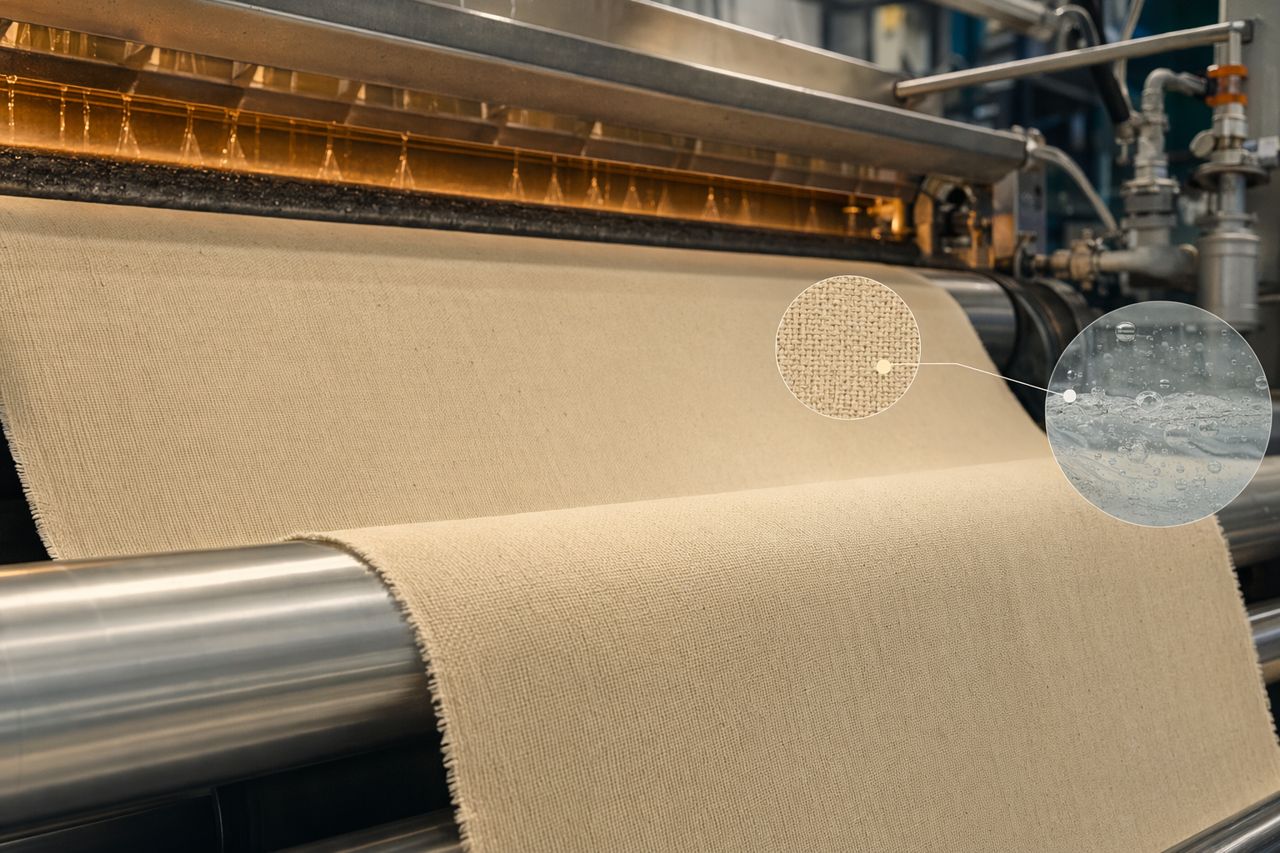
This short explainer shows how greige cotton moves from size-loaded fabric to dyeing-ready wet-out using a controlled enzyme desizing program.
Desizing enzyme options matched to your range
Not every mill needs the same desizing profile. We help pretreatment teams compare enzyme options based on the fabric and the operating window already in place.
For continuous pretreatment ranges
When fabric speed, dwell time, pad pick-up, and wash efficiency need to stay steady, we help select enzyme chemistry that supports consistent starch removal without creating unnecessary range disruption.
For batch and semi-continuous processing
Where liquor ratio, loading, rotation, and hold time influence contact with the fabric, we support enzyme selection for reliable wet-out and manageable rinse performance.
For varied greige sourcing
If starch load changes by supplier, construction, or weaving condition, we help build a desizing approach that gives operators practical checks and repeatable guidance from lot to lot.
What we ask before quoting
To recommend the right textile desizing enzyme package, SelvageBridge reviews the process conditions that affect performance on the floor:
- Fabric type, construction, and greige supplier pattern
- Size system used on the warp, where known
- Current desizing method and pain points
- Process type: continuous, semi-continuous, or batch
- Liquor ratio, dwell time, and wash-off configuration
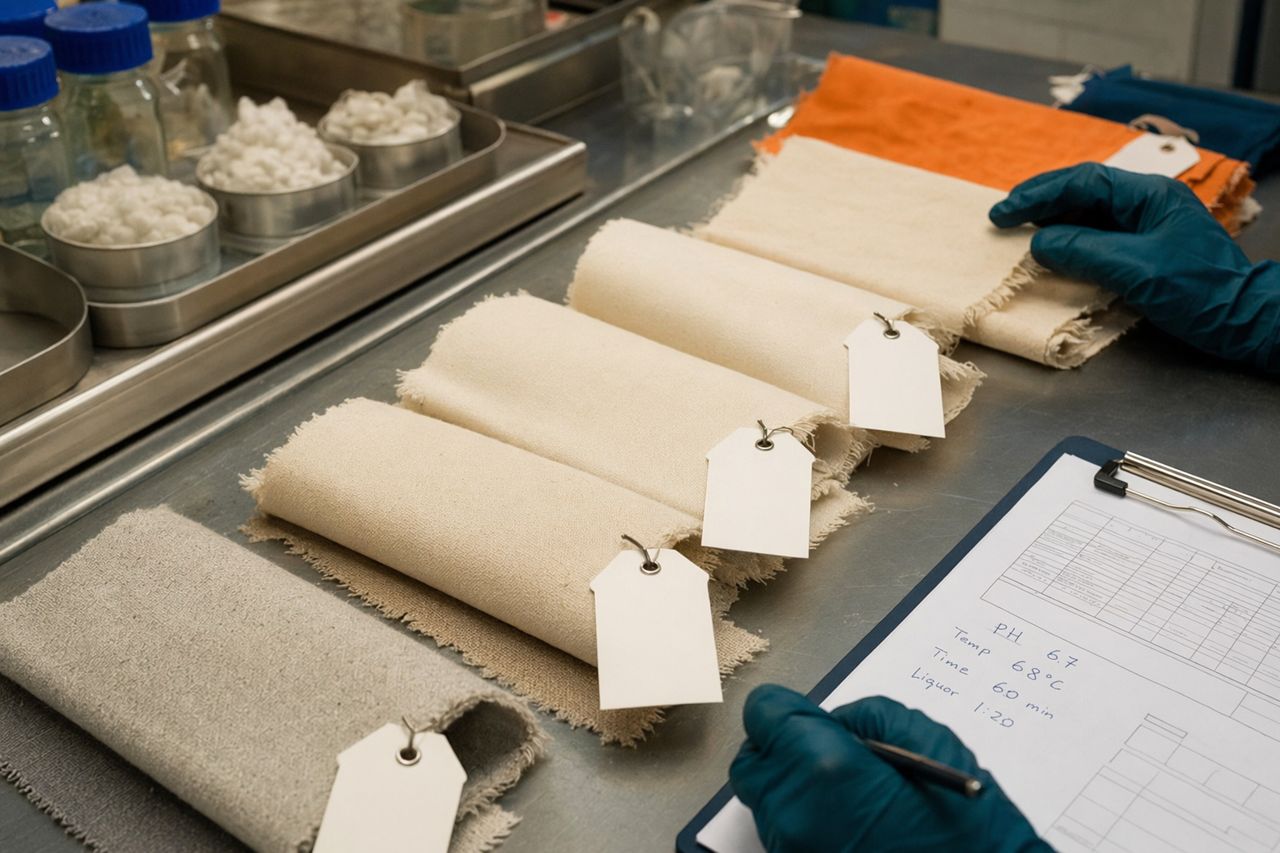
- Working pH and temperature window
- Downstream process: scouring, bleaching, mercerizing, dyeing, or printing
- Reprocessing history, wet-out failures, or shade-risk complaints
- Packaging, delivery, and documentation requirements
The result is a quote tied to your mill reality: supply format, recommended use window, handling guidance, and support for repeat purchasing.
Why mills choose SelvageBridge
Process-literate supply
We understand that pretreatment managers are balancing fabric movement, operator decisions, water use, shade deadlines, and rework pressure. Our recommendations are built around those constraints.
Bulk enzyme planning
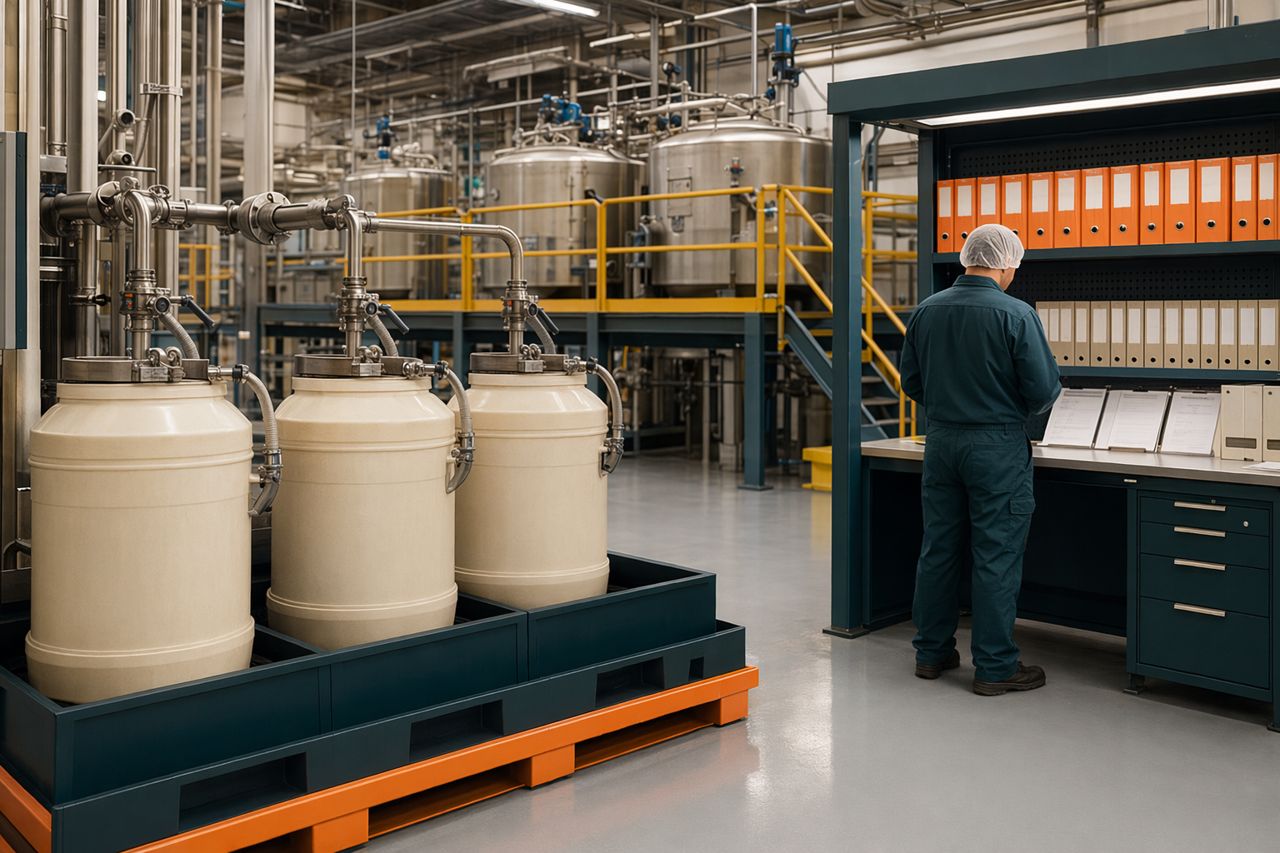
We support recurring mill demand with bulk supply planning, batch traceability, and documentation that fits purchasing and quality workflows.
Practical technical support
Our team helps review compatibility, process fit, changeover questions, and performance targets so your operators have a clear basis for use.
No hype, no loose claims
We focus on controllable desizing outcomes: starch removal, wet-out consistency, fabric handle, rinse behavior, and dyeing readiness.
Typical mill problems we help address
- Greige lots entering scouring with uneven absorbency
- Residual starch affecting dye uniformity or shade approval
- Operators increasing wash time to compensate for uncertain desizing
- Reprocessing caused by poor wet-out or harsh handle
- Narrow process windows that shift with season, water, or lot changes
- Audit requests for clearer pretreatment documentation
- Purchasing teams needing dependable bulk supply and repeatable specs
A controlled path from greige to dyeing-ready fabric
A good desizing program should make the next step easier. When starch removal is predictable, scouring can work more evenly, bleaching can proceed with fewer surprises, and dyeing teams receive fabric with more consistent absorbency.
SelvageBridge supplies textile desizing enzyme solutions for cotton mills that want to reduce avoidable friction between weaving preparation and dyehouse performance.
Request a quote
Tell us what you run, where desizing is creating pressure, and what your pretreatment window looks like. We will review the details and quote a textile desizing enzyme option matched to your cotton fabric mill.