Absorbency Testing Before Dyeing: Simple Checks for Cotton Fabric Readiness
Absorbency is one of the fastest signals a cotton mill can read before fabric enters dyeing. When wet-out is uneven, the dye house feels it immediately: shade variation, patchy penetration, extended correction time, and avoidable reprocessing.
For pretreatment teams, absorbency testing is not paperwork. It is a shift-level control point that confirms whether desizing, scouring support, rinsing, and fabric handling have created a dye-ready substrate.
As a textile desizing enzyme supplier for fabric mills, Enzymebridge focuses on the upstream condition that makes absorbency reliable: controlled starch removal without pushing fabric harshness, process drift, or downstream shade risk. We supply desizing enzymes in bulk to mills, dyehouses and textile-auxiliary distributors, quoted per order.
Why absorbency belongs before dyeing, not after shade trouble
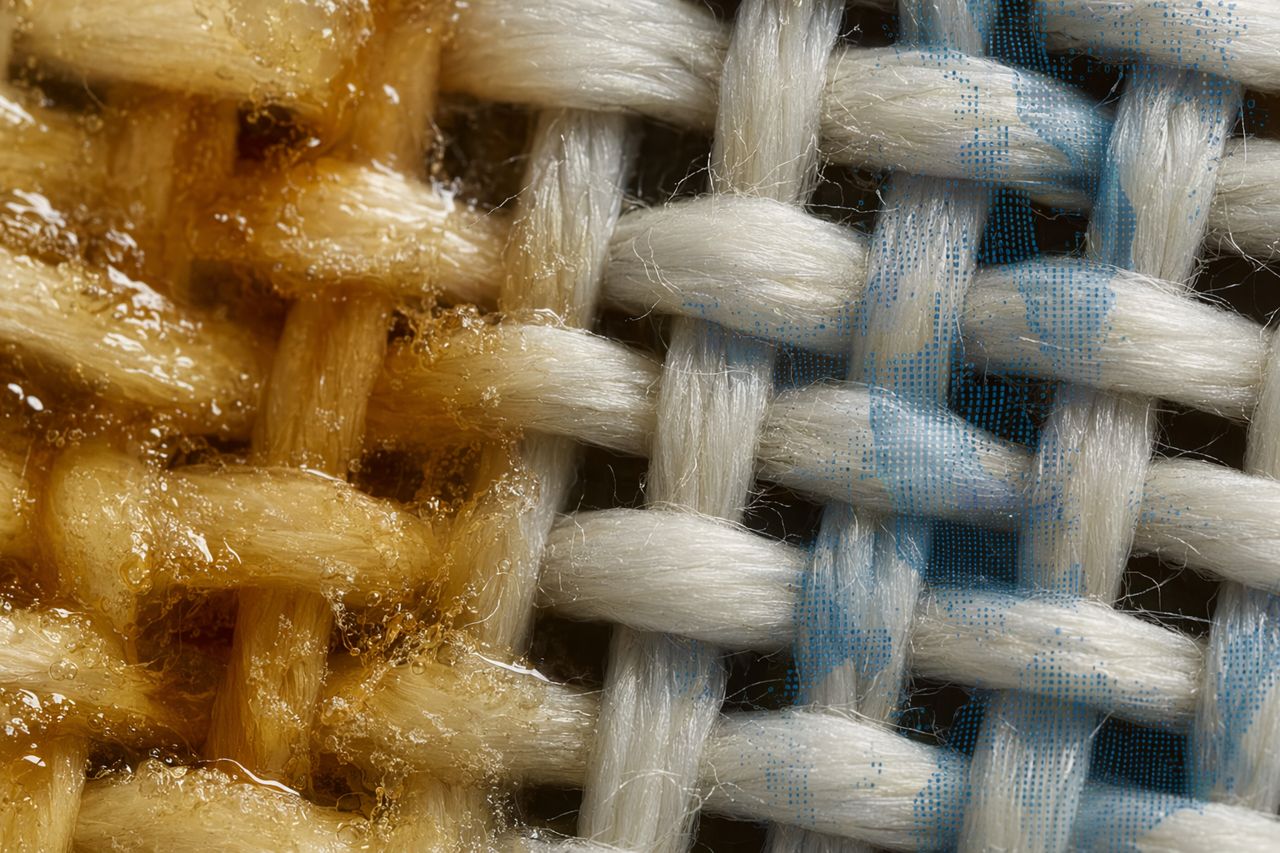
Cotton fabric can look clean and still behave inconsistently in the dye bath. Residual size, uneven wetting, trapped oils, waxes, or patchy chemical carryover can slow liquor penetration across the width or through the fabric body.
Once dyeing starts, these differences become expensive. The mill may need longer correction cycles, extra shade matching, repeated washes, or full reprocessing. A simple absorbency check before dyeing helps catch risk while the fabric is still easier to correct.
Good absorbency control supports:
- More even dye liquor penetration
- Better shade repeatability from lot to lot
- Reduced reprocessing and rewash pressure
- Improved fabric handle after pretreatment
- Cleaner audit trails for process release decisions
- Faster communication between pretreatment and dyeing teams
What absorbency testing should tell the mill
The goal is not to create a complicated lab routine. The goal is to answer practical production questions before the batch moves forward.
1. Is water entering the fabric quickly and evenly?
A cotton fabric prepared for dyeing should wet out without visible hesitation, beading, or edge-to-center delay. If water sits on the surface or travels unevenly, residual size or uneven pretreatment may still be affecting the fabric.
2. Is absorbency consistent across the fabric width?
Width-wise variation is a common source of dyeing problems. Check selvedge, center, and intermediate zones. A passing result in the center does not always represent the full rope, open-width passage, or roll.
3. Is the response repeatable between lots?
One good result does not confirm stable pretreatment. Mills should compare absorbency behavior across styles, loom sources, size recipes, liquor ratios, and temperature windows. Consistency matters more than a single isolated pass.
4. Does the fabric handle still match the end requirement?
Aggressive correction can improve wet-out while damaging the hand feel customers expect. Enzymatic desizing supports starch removal under controlled conditions, helping mills protect fabric handle while preparing for dyeing.
Simple absorbency checks mills can use on the floor
Different mills use different release checks. The best approach is the one your team can repeat consistently, document clearly, and act on quickly.
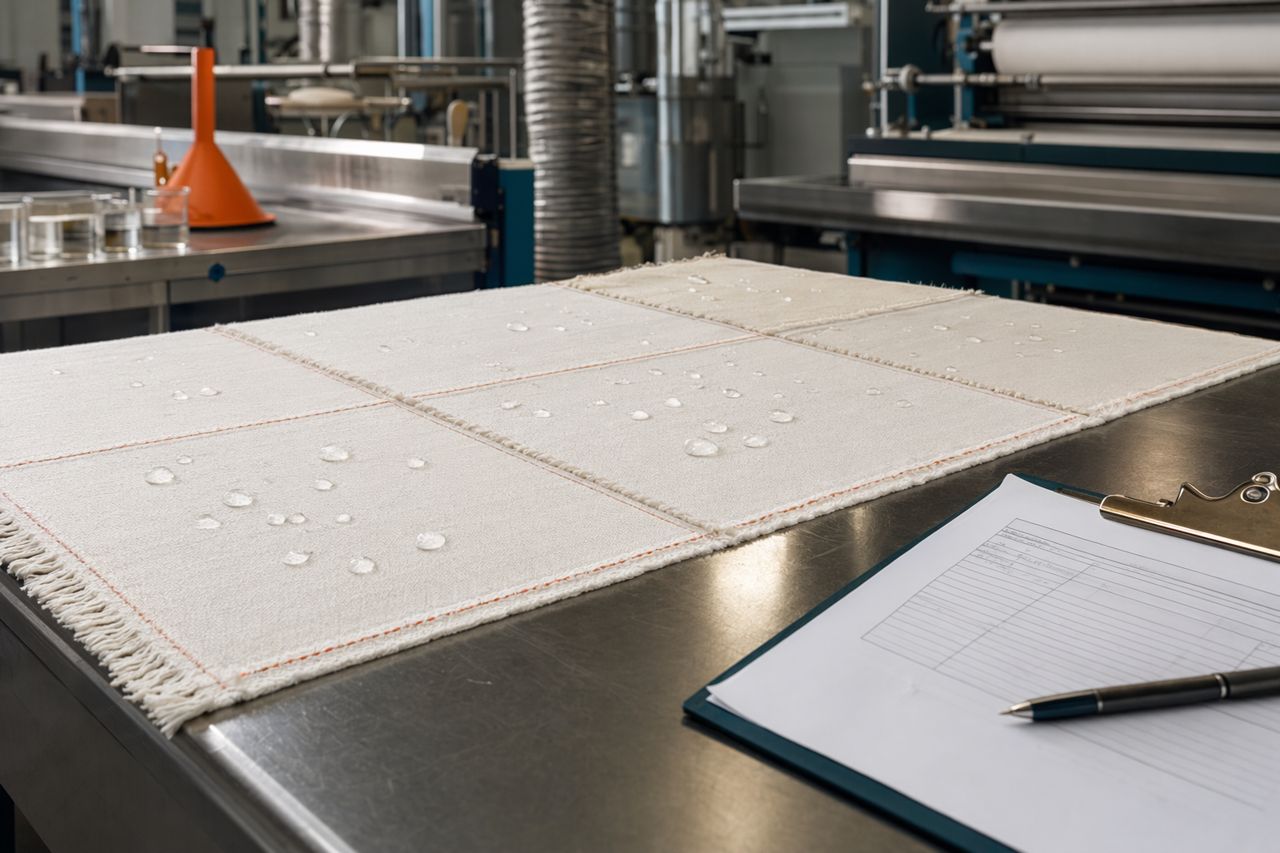
Drop wetting observation
Place a clean water drop on representative fabric points and observe how it spreads and enters the fabric. The useful information is the pattern: immediate wetting, delayed penetration, beading, ring formation, or uneven spreading.
Use this check for quick comparisons between rolls, fabric zones, and pretreatment settings.
Wicking strip comparison
Suspend or place fabric strips in a controlled wetting setup and compare liquid travel behavior between samples. This is helpful when checking whether pretreatment is producing similar absorbency across lots or after a process adjustment.
The important point is repeatability: same fabric orientation, same sampling logic, same water quality, and the same operator instructions.
Immersion wet-out check
Introduce fabric pieces into water and observe sinking, trapped air release, and wetting uniformity. This gives a practical read on how quickly fabric accepts liquor rather than resisting it.
This can be useful before sensitive shades where uneven initial wetting may become visible later.
Cross-width sample mapping
Cut small samples from the left edge, left-center, center, right-center, and right edge. Run the same absorbency check on each point and record visual differences.
This helps identify whether the issue is chemical, mechanical, or flow-related. Edge-to-center variation may point to padding, washing, fabric tension, or bath circulation conditions rather than the enzyme alone.
Where desizing control affects absorbency
In many cotton mills, starch size is a major barrier to reliable wet-out. If starch remains in the weave, water penetration can be delayed or uneven. If the process is too aggressive, the fabric may lose the handle or strength profile expected by the buyer.
A controlled desizing enzyme program helps the mill manage this balance.
Enzymebridge supports pretreatment teams with enzyme solutions designed for:
- Consistent starch breakdown across continuous and batch routes
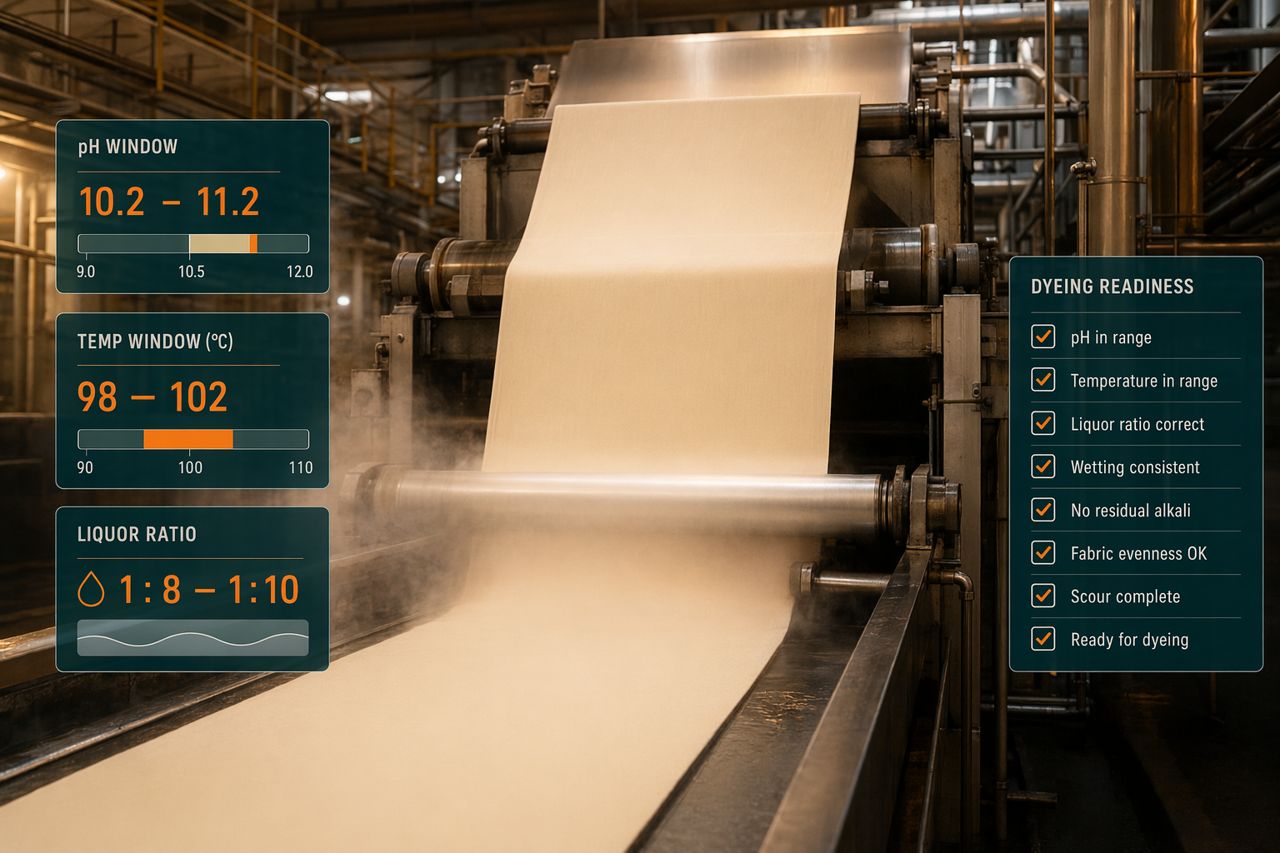
- Practical operation within mill temperature and pH windows
- Stable wet-out behavior before dyeing
- Lower dependence on harsh corrective treatment
- Improved communication between pretreatment, lab, and dye house teams
- Documentation that supports internal release and customer audit expectations
Common causes of poor absorbency before dyeing
When a fabric fails an absorbency check, the root cause is not always a single input. Mills should review the full pretreatment path.
Residual starch size
Incomplete desizing can leave starch films in yarn interstices, slowing water entry and creating patchy dye uptake.
Uneven liquor contact
Poor bath movement, low mechanical exchange, overloaded equipment, or inconsistent fabric travel can create zones that receive different treatment intensity.
Temperature or pH drift
Enzymes work best inside practical control windows. Drift outside the intended range can reduce desizing performance or create unstable results between shifts.
Inadequate rinsing
Broken-down size and soluble residues need to be removed from the fabric path. If rinsing is weak, residues can interfere with later wet-out and dyeing.
Variable incoming greige
Different loom sources, size add-on, yarn counts, or storage conditions can change how the same recipe performs. Absorbency checks help catch these differences before dyeing.
A practical release routine for pretreatment managers
A good absorbency routine should be fast enough for production and clear enough for audit review.
Consider this structure:
- Define sampling points across width and length.
- Run the same wetting check with the same handling steps each time.
- Record visual results in plain production language.
- Compare against the approved reference for that fabric style.
- Hold or redirect questionable fabric before it enters dyeing.
- Link failures to process data such as bath condition, dwell time, liquor ratio, temperature trend, pH trend, washing effectiveness, and incoming greige source.
This keeps absorbency testing connected to decisions, not just observations.
How Enzymebridge helps mills reduce shade-risk upstream
Enzymebridge works with cotton textile mills that need dependable desizing performance under real production pressure. We help pretreatment teams align enzyme selection with fabric construction, size load, equipment route, liquor ratio, and downstream dyeing requirements.
Our role is not to add complexity. It is to help mills build a controlled desizing step that supports consistent wet-out, predictable absorbency, and cleaner dyeing readiness.
If your team is seeing delayed wetting, cross-width variation, or reprocessing linked to incomplete starch removal, we can review your process conditions and recommend a mill-ready desizing enzyme approach.
Request a quote
Need a desizing enzyme for cotton fabric readiness before dyeing? Use the on-site request a quote form. Send the product or process step, the quantity per order or per month, and the destination country, plus your fabric type, pretreatment route and current wet-out issue. Enzymebridge will respond by email with a recommendation and a quote; price, pack size and lead time are quoted per order.