Enzymatic Desizing Before Dyeing: Mill Buyer Guide
For a cotton textile mill, desizing is not just a pretreatment checkpoint. It is a dyehouse risk-control step.
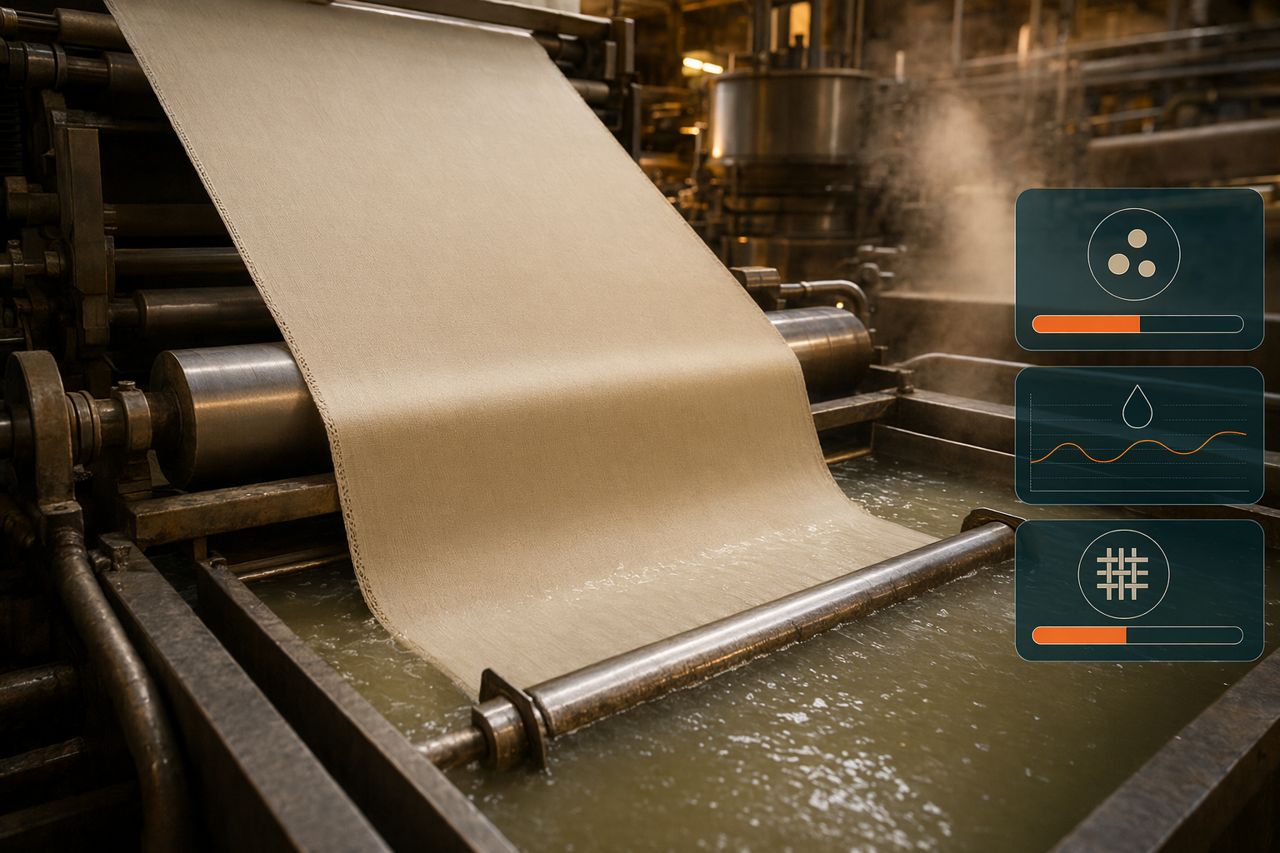
If starch size remains in the fabric, wet-out becomes uneven. Uneven wet-out leads to patchy scouring, variable absorbency, shade drift, reprocessing, and avoidable pressure on the next shift. Enzymebridge supplies enzymatic desizing solutions for mills that need controlled starch removal before scouring, bleaching, dyeing, printing, or finishing.
As a textile desizing enzyme supplier for fabric mills, we focus on practical mill outcomes: dependable desizing, fabric handle protection, clear process guidance, and documentation that supports internal quality systems and buyer audits. We supply in bulk to mills, dyehouses and textile-auxiliary distributors, quoted per order.
Why desizing quality shows up later in the dyehouse
Starch size helps weaving run. After weaving, it becomes a barrier.
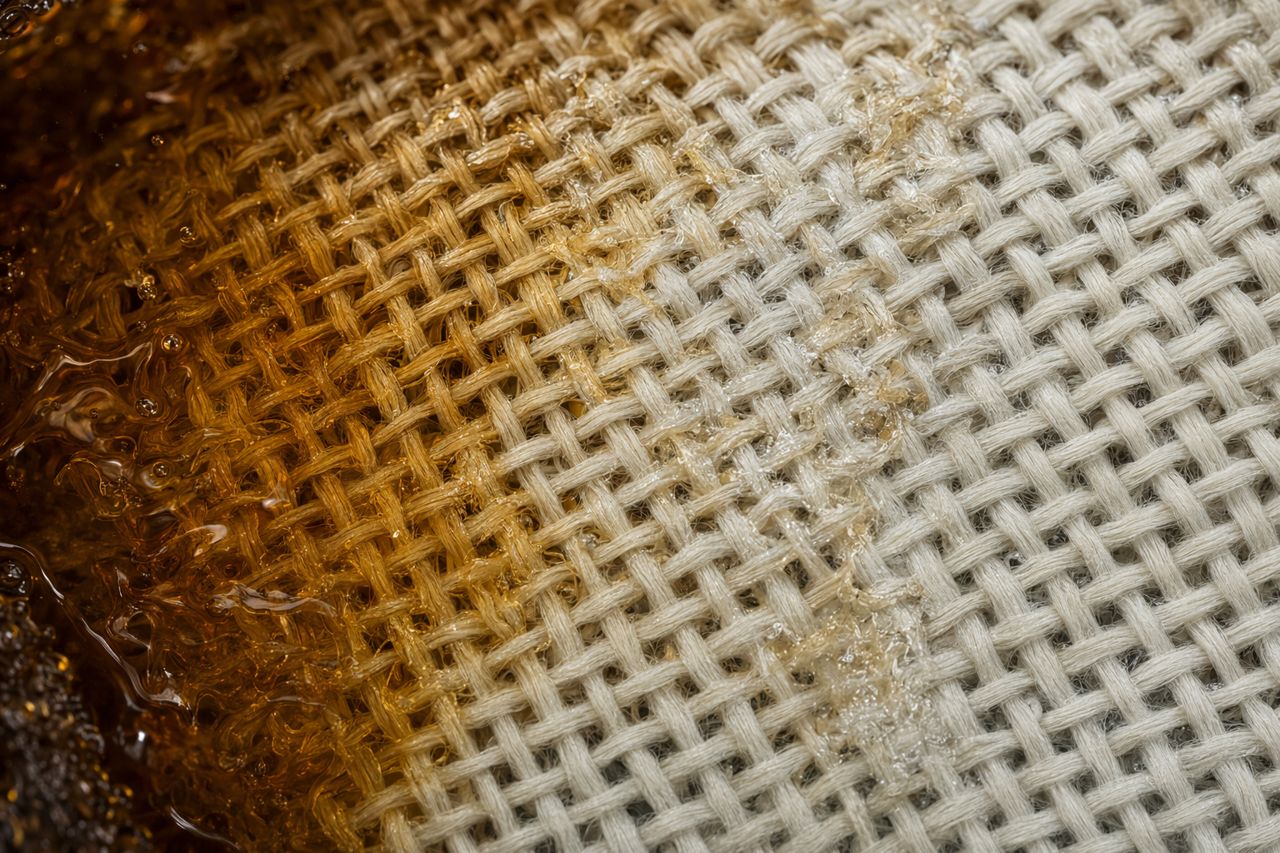
When starch is not fully broken down and rinsed away, cotton fabric can enter wet processing with blocked capillaries and inconsistent absorbency. The dyehouse may see the problem later as:
- Uneven wet-out during scouring or combined pretreatment
- Slower liquor penetration in dense constructions
- Shade variation across fabric width or roll length
- Higher correction work before dyeing approval
- Unplanned reprocessing and delayed batch release
- Increased operator debate over whether the root cause was desizing, scouring, or dyeing
A controlled enzymatic desizing step reduces this uncertainty. It targets the starch film so the fabric can absorb process liquor more predictably before downstream operations.
What enzymatic desizing should deliver for a mill
A desizing enzyme should do more than remove starch in a lab trial. It should fit the actual mill route, available dwell time, water conditions, machinery, and quality control habits.
For pretreatment managers, the useful buying questions are operational:
- Will it support consistent starch breakdown across the full fabric width?
- Does it fit the mill's current pH and temperature window without forcing a disruptive process change?
- Can it work with the liquor ratio and mechanical action used on the selected machine?
- Does it help maintain fabric handle instead of relying on harsh chemical attack?
- Will rinsing be straightforward enough to keep the line moving?
- Can operators verify desizing completion with routine mill checks and retain useful records?
Enzymebridge helps mills answer these questions before the first bulk lot.
Where this enzyme approach fits
Our enzymatic desizing solutions are designed for cotton and cotton-rich woven fabric routes where starch-based size must be removed before dyeing readiness.
Common applications include:
- Greige cotton woven fabric before scouring and bleaching
- Shirting, sheeting, workwear, bottom-weight, and apparel constructions
- Continuous pretreatment ranges where stable throughput matters
- Pad-batch or semi-continuous routes where dwell control is available
- Jigger, jet, overflow, winch, or rope-processing systems where liquor movement must support even penetration
- Mills seeking to reduce reprocessing caused by poor wet-out or incomplete size removal
We match the recommendation to your machinery, construction, size recipe, and downstream dyeing route.
Process factors that determine success
1. Starch load and size recipe
A light starch finish on a plain weave behaves differently from a dense fabric carrying a heavier size recipe. The enzyme selection and use plan should consider the size chemistry, pick-up, fabric density, and whether synthetic size components are also present.
2. Wet-out before enzyme action
Enzyme contact depends on liquor reaching the size film. Poor wet-out can make an otherwise suitable desizing step look inconsistent. We review wetting practice, fabric preparation, and bath movement so starch breakdown is not limited by access.
3. pH and temperature window
Pretreatment teams need a process window that operators can hold during normal production, not only during trials. Enzymebridge recommendations are built around your available pH tendency, heating profile, cooling behavior, and dwell time expectations.
4. Dwell time and fabric movement
Desizing performance depends on contact time and fabric exposure. Pad-batch, jigger, jet, and continuous systems each create different contact patterns. The use plan should reflect real machine behavior, not a generic instruction.
5. Rinsing and carryover control
Broken-down starch must leave the fabric. Rinsing practice, water exchange, and bath clarity matter. Good desizing includes a rinse strategy that prevents loosened size from redepositing or interfering with the next pretreatment bath.
6. Documentation
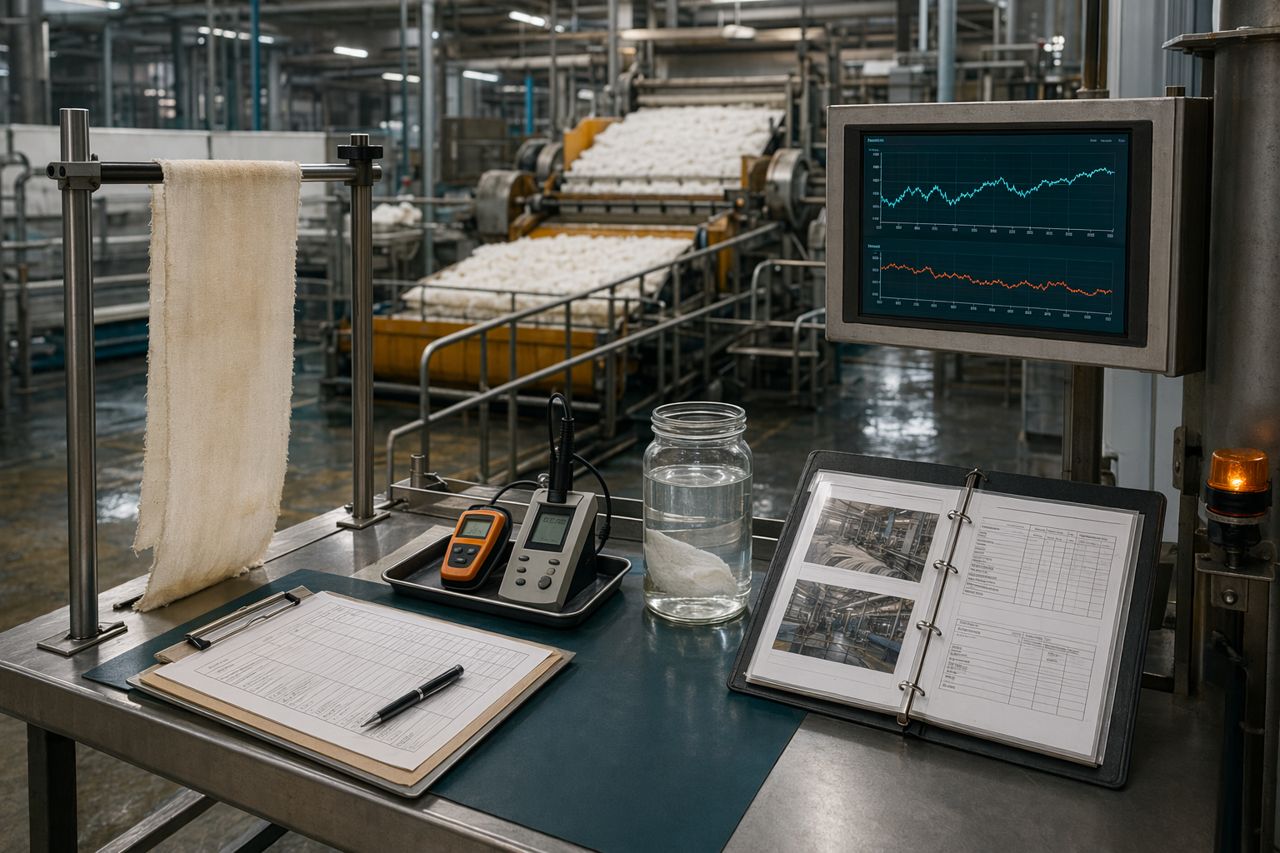
Mills need evidence. A desizing program should support simple production notes: fabric style, batch, machine, chemical recipe, pH tendency, temperature window, dwell time, rinse step, operator check, and release decision. This helps quality teams trace shade issues and defend process control during audits.
Commercial value for fabric mills
Enzymatic desizing before dyeing can support measurable operating improvements without adding unnecessary complexity.
Potential mill benefits include:
- More reliable absorbency before dyeing
- Fewer wet-out related shade surprises
- Reduced reprocessing and correction work
- Better control over fabric handle compared with more aggressive removal approaches
- Smoother transition into scouring, bleaching, dyeing, or printing
- Clearer pretreatment records for internal and customer audits
- Better alignment between weaving residue, pretreatment control, and dyehouse expectations
The goal is not simply to pass a spot check. The goal is to help fabric reach dyeing in a repeatable condition.
How Enzymebridge supports supplier qualification
When a mill qualifies a desizing enzyme, purchasing, pretreatment, quality, and dyehouse teams all need confidence.
Enzymebridge supports that decision with:
- Technical review of fabric construction and size recipe
- Process-fit recommendation for the selected machine route
- Practical guidance on pH tendency, temperature window, liquor ratio, dwell time, and rinsing
- Trial planning for lab, pilot, and bulk validation
- Operator-friendly process notes for shift handover
- Documentation support for quality review and buyer audit files
- Supply coordination for recurring production demand
We work as a process partner, not just an ingredient vendor.
Buyer checklist: before requesting a quote
To recommend the right desizing enzyme grade and use plan, share as much of the following as available:
- Cotton fabric type and construction
- Approximate starch size load or weaving size recipe
- Any synthetic size components or auxiliaries used
- Current desizing method and pain points
- Machine type: continuous range, pad-batch, jigger, jet, overflow, winch, or other route
- Typical liquor ratio or wet pick-up practice
- Available pH and temperature window
- Expected dwell time
- Current rinse sequence
- Downstream process: scouring, bleaching, dyeing, printing, or finishing
- Quality checks used before dyehouse release
- Monthly or quarterly purchase volume forecast
If the root issue is shade risk, uneven wet-out, or repeated correction work, include recent production notes. They help us separate enzyme selection from mechanical, wetting, or rinsing constraints.
Why mills choose an enzyme route before dyeing
Compared with harsher chemical desizing approaches, enzymatic desizing gives mills a more targeted way to break down starch while protecting the cotton substrate and fabric feel. This is especially important when the dyehouse needs consistent absorbency but the finishing team still cares about handle, strength feel, and customer touch expectations.
A controlled enzyme route can also make pretreatment troubleshooting clearer. When starch removal is stable and documented, the dyehouse can focus on dyeing variables instead of carrying uncertainty from the greige stage.
Request a quote
Ready to review your desizing route?
Use the on-site request form: send the product, the quantity per order or per month and the destination country, then your fabric construction, size recipe, machinery and process window. Price, pack size and lead time are quoted per order. Enzymebridge will review the details and recommend a mill-ready enzymatic desizing option for your cotton fabric line.