Enzyme for Starch Size Removal in Textile Pretreatment
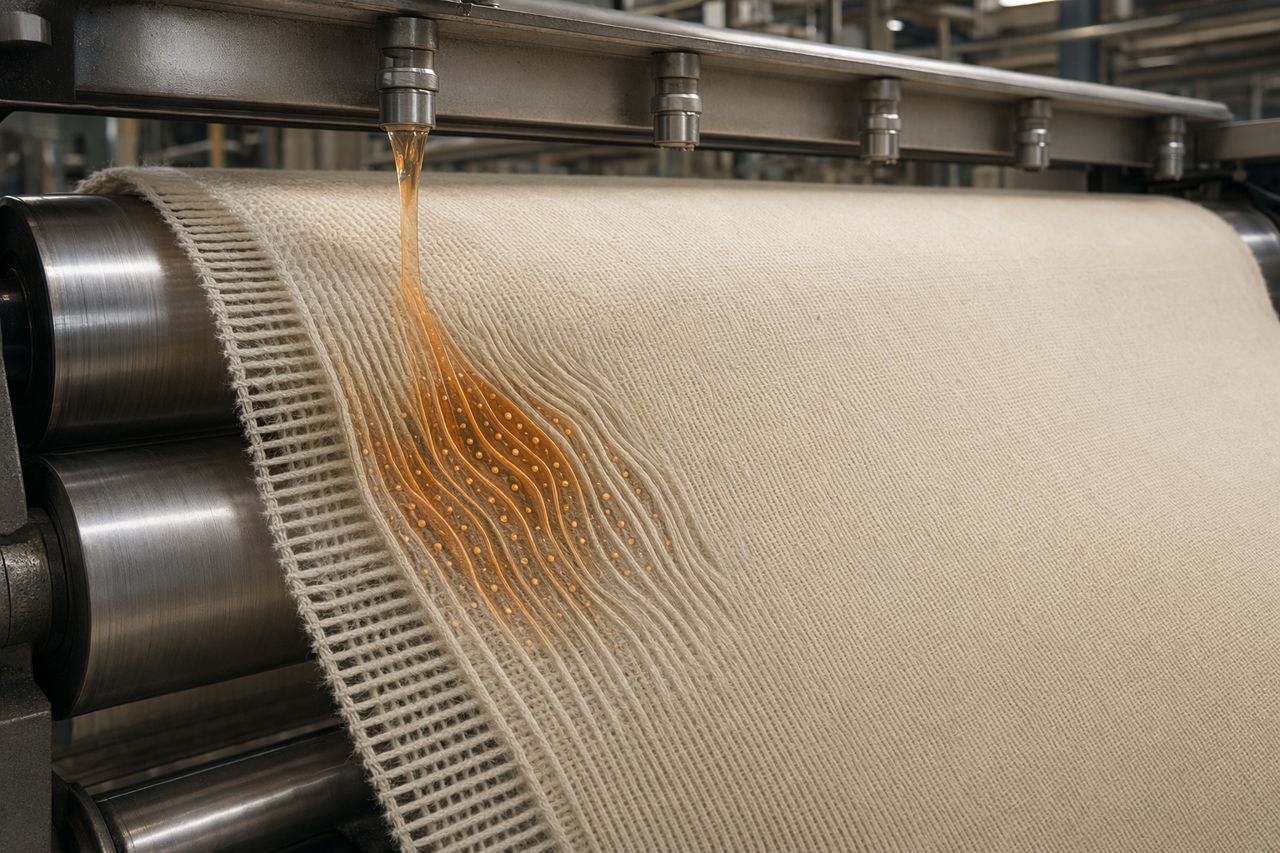
Greige cotton does not move cleanly into dyeing unless the starch size is removed in a controlled way. Enzymebridge supplies enzyme solutions for mills that need reliable starch breakdown, even wet-out, and fewer pretreatment surprises at shift speed.
As a textile desizing enzyme supplier for fabric mills, we focus on the operating realities that matter on the floor: fabric absorbency, liquor penetration, temperature window discipline, pad-batch or continuous line stability, reprocessing reduction, and handover quality for scouring, bleaching, and dyeing.
We supply in bulk to mills, dyehouses and textile-auxiliary distributors, quoted per order. Request a quote with the product, quantity and destination country for a mill-fit desizing enzyme recommendation.
Why enzymatic starch removal belongs in controlled pretreatment
Traditional chemical desizing approaches can push fabric through preparation, but they often create avoidable stress: harsher conditions, uneven starch release, higher shade-risk downstream, and more corrective action when wet-out is inconsistent.
Enzymatic desizing is more selective. It targets starch-based size so the mill can prepare cotton fabric without relying on aggressive chemical attack as the main removal mechanism.
For pretreatment managers, that means better control over:
- Starch-size breakdown before scouring and bleaching
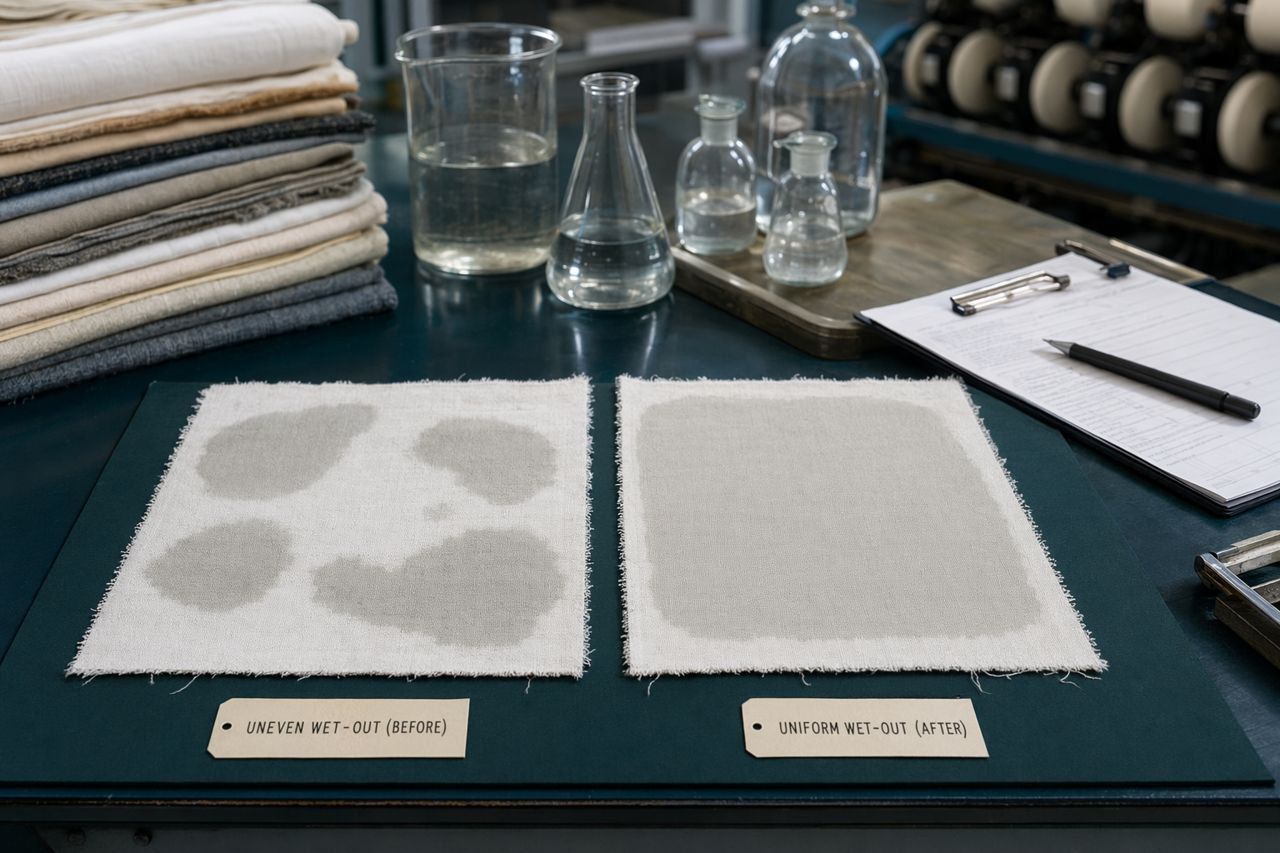
- Wet-out consistency across fabric width and length
- Fabric handle preservation during preparation
- Lower reprocessing caused by patchy absorbency
- Cleaner downstream dyeing readiness
- Documentation for internal checks and customer audits
Built for cotton mill operating conditions
Enzymebridge desizing enzyme solutions are selected for mill practicality, not laboratory perfection. The right enzyme must work inside the process you actually run: your fabric construction, size loading, liquor ratio, dwell time, temperature window, pH conditions, and line format.
We help mills evaluate fit across common pretreatment routes, including:
- Pad-batch desizing
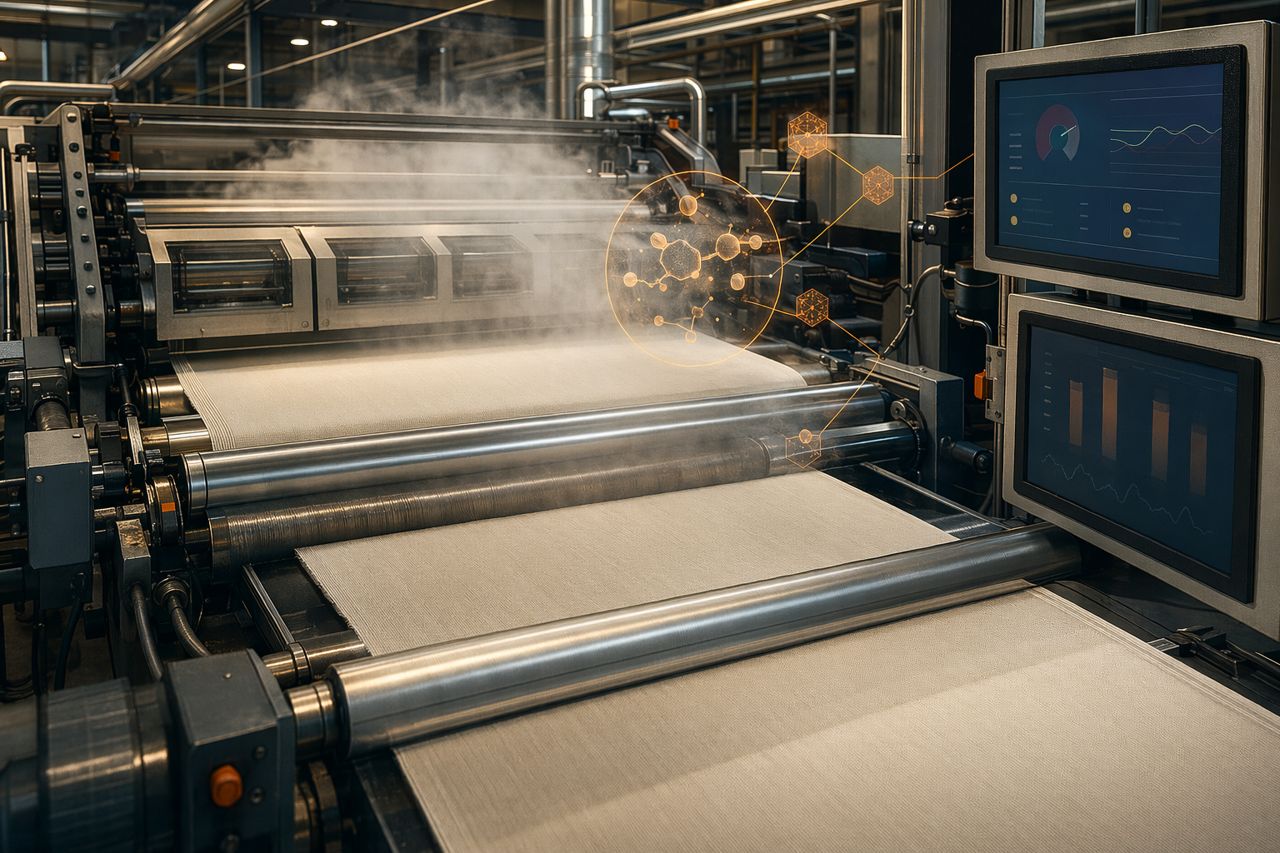
- Continuous desizing ranges
- Exhaust pretreatment workflows
- Integrated desize-scour preparation where applicable
- Woven cotton fabric with starch or starch-blend sizing
The goal is not only starch removal. The goal is dependable fabric preparation that does not create problems for the next department.
Enzymatic desizing versus harsh chemical removal
Chemical-heavy removal
Chemical-heavy desizing can be fast, but it may increase process severity and variability. If control is poor, mills may see uneven wet-out, fiber stress, fabric handle changes, or a higher risk of downstream shade variation.
Enzymatic starch breakdown
Enzymatic desizing supports a more targeted breakdown of starch size. When matched to the mill’s temperature, pH, dwell, and liquor conditions, it can improve preparation consistency while supporting smoother downstream processing.
Practical buyer value
For a cotton textile mill, the commercial value is measured in fewer holds, fewer rewashes, more predictable dyeing, and cleaner process documentation — not just a desizing claim on paper.
What good desizing should look like on the line
A controlled desizing program should help the mill see:
- Faster and more uniform wet-out after size removal
- Reduced streaks or patchy absorbency before dyeing
- More consistent preparation across batches and shifts
- Lower corrective washing demand
- Better fabric handover into scouring, bleaching, or dyeing
- A more stable pretreatment record for audits and claims review
When fabric enters dyeing with uneven starch residues, the cost appears later: shade correction, delayed release, extra water and steam use, and production schedule pressure. Enzymebridge helps mills reduce that hidden cost at the preparation stage.
Application fit: what we review before recommending a product
Before quoting, we look at the operating picture. This keeps the recommendation relevant and avoids over-specifying a product that does not fit your plant.
Useful information includes:
- Cotton fabric construction and GSM range
- Type of starch or starch-blend size used
- Pretreatment route and machine type
- Liquor ratio and fabric loading pattern
- Working pH and temperature window
- Dwell time or batching time
- Current desizing check results
- Wet-out failures, reprocessing frequency, or dyeing complaints
- Compatibility needs with wetting agents, sequestering agents, or downstream chemicals
If your mill is troubleshooting a live preparation issue, share the symptoms. Patchy absorbency, poor center-to-selvage wet-out, repeated dyeing correction, or fabric handle complaints can each point to a different process adjustment.
Designed for downstream dyeing readiness
Desizing is not an isolated step. It sets the fabric condition for everything that follows.
Enzymebridge enzyme selection supports downstream readiness by helping mills achieve cleaner size removal before high-value dyeing decisions are made. That means preparation teams can hand over fabric with greater confidence, and dyeing teams can work with fewer unknowns.
Key downstream benefits may include:
- More predictable absorbency before dye application
- Reduced shade-risk linked to residual size
- Better compatibility with controlled scouring and bleaching
- Fewer preparation-related dyehouse complaints
- Improved fabric feel versus severe chemical treatment
Audit-ready support for mill teams
Pretreatment managers need more than a drum and a dose suggestion. They need process notes, handling guidance, compatibility review, and documentation that can be shared with production, quality, and compliance teams.
Enzymebridge can support:
- Product selection for your desizing route
- Process window recommendations
- Trial planning and evaluation checkpoints
- Pretreatment troubleshooting discussions
- Documentation for internal approval and customer audits
- Quote support for regular supply or trial volumes
Request a quote
If you need an enzyme for starch size removal in cotton textile pretreatment, send your process details through the on-site request form. We will review your fabric type, desizing route, and operating window, then respond with a practical recommendation and quote.
Request a quote using the on-site form below.
Include the product, the quantity per order or per month, the destination country, your fabric type, machine route, approximate starch-size condition, pH and temperature window, and the issue you are trying to solve. Price, pack size and lead time are quoted per order. The more process context you share, the more precise the recommendation can be.