Fabric pretreatment enzyme support for cotton woven mills
Enzymebridge helps cotton woven mills source and specify enzyme programs for pretreatment lines where reliability matters: starch removal, wet-out consistency, lower reprocessing, fabric handle, and downstream dyeing readiness.
We support mills using alpha amylase for desizing, pectinase for bio-preparation support, and cellulase where controlled surface clean-up or handle improvement is required. The goal is practical: help your pretreatment team choose an enzyme route that fits the fabric, the line, the liquor ratio, the temperature window, and the shade-risk profile of the order.
We supply in bulk to mills, dyehouses and textile-auxiliary distributors. Request a quote using the on-site form with the product, quantity and destination country when you are ready to review a fabric route, current pretreatment conditions, or an upcoming bulk order.
Built around mill conditions, not generic chemistry
Cotton woven pretreatment is not a single-step decision. Warp size composition, fabric construction, pick-up behavior, dwell time, bath control, and wash-off efficiency all affect whether fabric leaves desizing ready for the next stage.
Enzymebridge works with pretreatment managers and technical buyers who need enzyme supply choices aligned with real production constraints:
- Starch-size removal without pushing the line into avoidable rewash cycles
- Consistent wet-out before scouring, bleaching, dyeing, or printing
- Stable processing windows across continuous, semi-continuous, and batch systems
- Reduced shade risk from uneven preparation or residual size
- Better fabric handle where surface clean-up is part of the specification
- Clearer documentation for internal audits, customer files, and repeat orders
Where enzyme options fit in cotton fabric pretreatment
Alpha amylase for controlled desizing
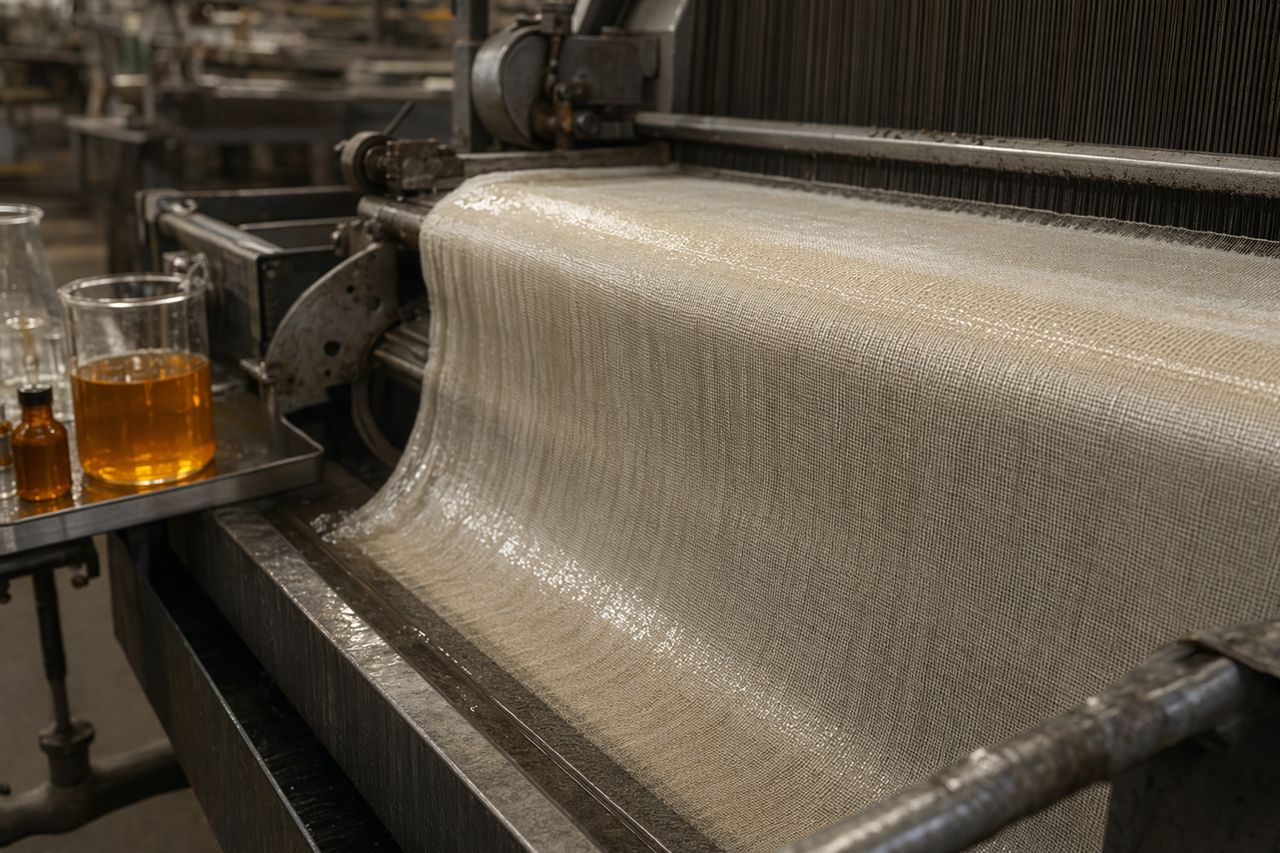
For cotton woven mills running starch-sized warp yarns, alpha amylase is commonly used to break down starch size so it can be washed away more effectively. Enzymebridge helps match desizing enzyme options to the fabric route, including pad-batch, pad-steam, jigger, winch, jet, or other mill-specific setups.
Operational value:
- Improves starch removal before scouring or bleaching
- Supports more uniform wet-out across the fabric width
- Helps reduce reprocessing caused by incomplete desizing
- Supports cleaner downstream dyeing and finishing performance
Pectinase for bio-preparation support
Pectinase can support cotton bio-preparation where mills are targeting better wettability, lower harshness, or a more controlled preparation path. It can be considered as part of an enzymatic route where traditional preparation chemistry needs to be balanced with fabric feel, process control, and customer requirements.
Operational value:
- Supports wet-out development before dyeing or printing
- Can help improve preparation uniformity on selected cotton fabrics
- Fits mill programs focused on controlled fabric handling
- Gives technical teams another route when conventional preparation creates quality pressure
Cellulase for surface improvement and handle control
Cellulase may be used where surface clean-up, fuzz reduction, or fabric handle improvement is part of the technical brief. For cotton woven mills, selection depends on fabric construction, abrasion sensitivity, shade plan, and the desired tactile result. For woven denim in particular, see this page on cellulase for denim.
Operational value:
- Supports smoother fabric surface where suitable
- Helps manage handle expectations for selected cotton qualities
- Can reduce visible surface irregularity when correctly specified
- Requires careful process alignment to avoid over-treatment
The buying problem Enzymebridge solves
Pretreatment managers are often asked to solve several problems at once: keep the line moving, reduce shade complaints, document the process, avoid unnecessary reprocessing, and maintain fabric feel. Enzyme selection becomes difficult when product information is too generic or detached from mill reality.
Enzymebridge is positioned as a technical supply partner for mills that need clear route alignment before purchasing. We focus on the questions that matter before a quote is issued:
- What starch or size blend is likely present on the warp?
- Is the route continuous, semi-continuous, or batch?
- What are the line temperature and pH windows?
- What liquor ratio and dwell time are realistic on the floor?
- What wet-out or dyeing issue is the mill trying to prevent?
- Is the priority desizing efficiency, handle, shade stability, or reprocessing reduction?
- What documentation does purchasing or quality need with the supply?
Mill-ready support for sourcing and specification
Enzymebridge does not treat enzyme sourcing as a catalog exercise. We help buyers and technical teams narrow the practical fit before purchase, so the enzyme program is easier to brief, trial, and repeat.
What you can request:
- Recommended enzyme category for your cotton pretreatment route
- Supply options aligned to your process window
- Guidance on compatibility questions to review before plant trial
- Quote support for planned bulk production or repeat purchasing
- Documentation suitable for internal technical and purchasing review
Faceless explainer video: how the pretreatment route comes together
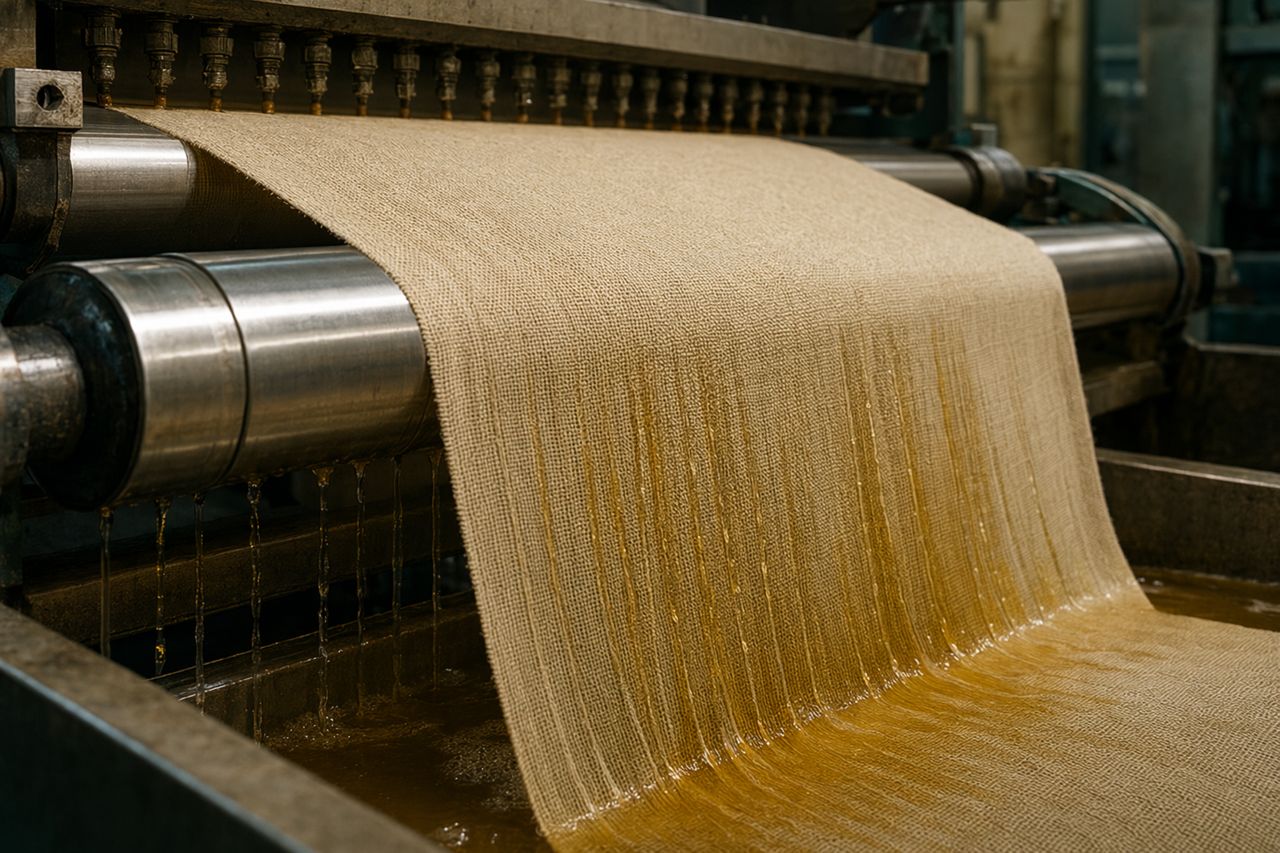
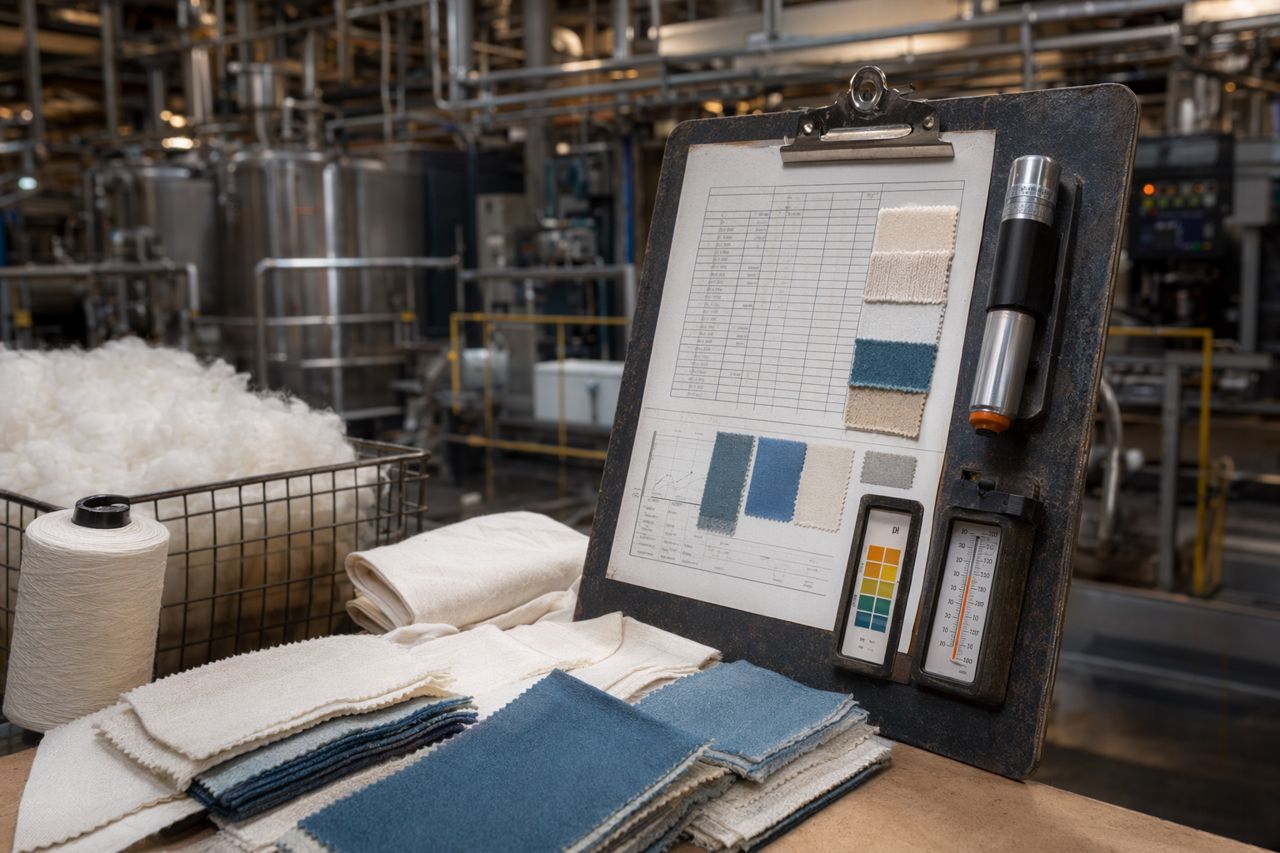
This page includes a short faceless explainer showing continuous greige cotton movement through desizing, wet-out development, and downstream dyeing readiness. The visual sequence follows fabric travel through the range, with translucent enzyme flow, starch-size overlays dissolving, and mill telemetry for pH, temperature window, liquor ratio, and dwell time.
No avatar. No talking head. Just the process, the fabric, and the decisions your mill has to control.
Typical fit for Enzymebridge enzyme supply support
Enzymebridge is a fit when your mill needs enzyme options for:
- Cotton woven desizing before scouring, bleaching, dyeing, or printing
- Greige fabric preparation with inconsistent wet-out
- Orders where shade reproducibility is sensitive to pretreatment quality
- Reducing rewash or reprocessing after incomplete size removal
- Improving hand feel or surface appearance on selected cotton constructions
- Moving from reactive troubleshooting to documented pretreatment control
Request a quote
Use the on-site request form to share the product or process step, the quantity per order or per month, and the destination country, plus the fabric construction, size information if known, current process route, pH and temperature window, liquor ratio, dwell time, and target outcome. Price, pack size and lead time are quoted per order.
The Enzymebridge team will review the details and help prepare a practical quote for the enzyme option that best fits your cotton pretreatment route.